Rising Damp vs Penetrating Damp: How to Identify and Fix Both
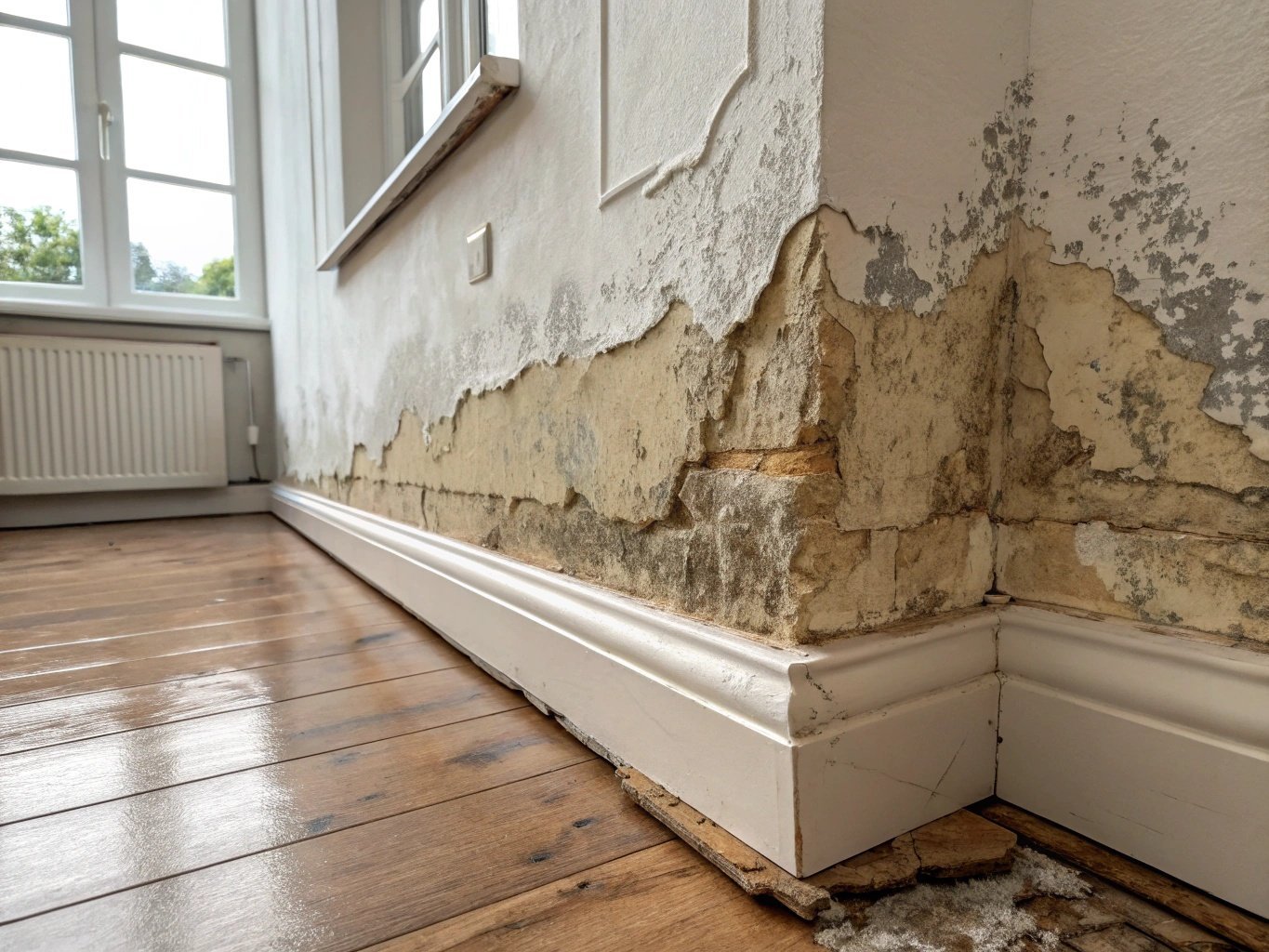
Expert Surveyors UK identifies damp problems in thousands of properties each year. Understanding the difference between rising damp, penetrating damp, and condensation is crucial for property buyers and owners, as each requires different remedial works and varies significantly in cost.
In this comprehensive guide, our RICS chartered surveyors explain how to identify different types of damp, what causes them, and the appropriate remedial works our building pathology experts recommend.
The Three Types of Damp
Dampness in buildings falls into three main categories:
- Rising Damp – Moisture rising from the ground through porous building materials
- Penetrating Damp – Water entering through walls, roofs, or windows from outside
- Condensation – Moisture in the air condensing on cold surfaces
Misdiagnosis leads to ineffective and expensive remedial works. Expert Surveyors UK's building surveyors use specialist moisture meters and their expertise in building pathology to accurately diagnose damp issues during building surveys.
Rising Damp Explained
Rising damp occurs when ground moisture rises through porous building materials like bricks and mortar by capillary action. Most modern properties have damp-proof courses (DPCs) that prevent this, but older buildings may lack effective DPCs, or existing ones may have failed.
How to Identify Rising Damp
Rising damp typically shows these characteristics:
- Height limitation: Rising damp rarely exceeds 1-1.5 meters above ground level
- Tide marks: Visible horizontal lines on walls showing maximum moisture height
- Salt deposits: White powdery deposits (efflorescence) on wall surfaces
- Peeling paint and wallpaper: Decorative finishes failing at low levels
- Damp smell: Musty odor particularly noticeable in ground floor rooms
- Ground floor only: Upper floors unaffected unless severe bridging occurs
Our chartered surveyors use electronic moisture meters to measure dampness levels in walls. Readings typically show gradually decreasing moisture content with height, confirming rising damp rather than other moisture sources.
Causes of Rising Damp
- Absent damp-proof course (common in Victorian properties built before 1875)
- Failed damp-proof course through age or building works damage
- Bridged damp-proof course (soil or rendering covering the DPC)
- High external ground levels allowing moisture to bypass DPC
- Porous bricks and mor tar in older properties
Remedial Works for Rising Damp
Expert Surveyors UK recommends appropriate solutions based on the cause:
- Chemical DPC injection: Injecting silicone cream or liquid into walls to create moisture barrier (£1,500-£3,000)
- Physical DPC installation: Inserting physical membranes into walls (more expensive but longer-lasting)
- Removing DPC bridges: Lowering external ground levels or removing render covering DPC (often the simplest solution)
- Replastering: Removing salt-contaminated plaster and replastering with lime or sand/cement render
- Improving ventilation: Installing airbricks to reduce ground moisture levels
Penetrating Damp Explained
Penetrating damp occurs when water enters buildings from outside through defects in the building envelope. Unlike rising damp, penetrating damp can affect any part of a building and often worsens during wet weather.
How to Identify Penetrating Damp
Penetrating damp shows different characteristics from rising damp:
- Location: Can occur at any height, not limited to ground floor
- Patterns: Often localized patches rather than consistent horizontal patterns
- Weather-related: Worsens during rain or after storms
- External defects visible: Usually caused by identifiable external building defects
- Staining patterns: May show water run-off patterns or staining following building features
During building surveys, our building surveyors examine external walls, roofs, windows, and gutters to identify the moisture entry points causing penetrating damp.
Common Causes of Penetrating Damp
- Roof defects: Missing tiles, damaged flashing, or failed valleys allowing water penetration
- Gutters and downpipes: Blocked, overflowing, or damaged rainwater goods splashing water onto walls
- Defective rendering: Cracked or failing external render allowing water through
- Window and door defects: Failed seals, damaged frames, or poor installation
- Cavity wall issues: Bridged cavities or cavity wall insulation defects
- Pointing failure: Deteriorated mortar joints allowing water penetration
- Plumbing leaks: Hidden pipe leaks within walls or floors
Remedial Works for Penetrating Damp
Fixing penetrating damp requires addressing the specific defects allowing water entry:
- Roof repairs: Replacing damaged tiles, repairing flashings, or renewing roof coverings (£500-£5,000+)
- Gutter repairs: Clearing blockages, repairing leaks, or replacing gutters (£200-£1,500)
- Repointing: Renewing failed mortar joints (£50-£100 per square meter)
- Render repairs: Patching or completely renewing external render (£40-£80 per square meter)
- Window repairs: Resealing, repairing frames, or replacing windows (£300-£1,000 per window)
- Cavity wall remedial works: Installing cavity trays or removing insulation causing bridging
Expert Surveyors UK's building pathology expertise ensures we identify root causes rather than just treating symptoms, preventing recurrence of penetrating damp after remedial works.
Condensation Damp
Condensation is the most common form of dampness but often confused with rising or penetrating damp. It occurs when moisture-laden air contacts cold surfaces, causing water droplets to form.
Identifying Condensation
- Location: Typically on cold surfaces like windows, external walls, and in corners
- Black mould growth: Distinctive black spotty mould, especially in corners and behind furniture
- Streaming windows: Water running down window panes, particularly in morning
- Seasonal variation: Worse in winter when heating creates moisture and external temperatures are low
- Lifestyle factors: Worse in properties with poor ventilation, drying clothes indoors, or inadequate heating
Solutions for Condensation
- Improving ventilation through extractor fans or opening windows
- Adequate heating to warm surfaces above dew point
- Reducing moisture generation (covering pans, venting tumble dryers externally)
- Improving insulation to reduce cold surfaces
- Installing positive input ventilation systems
Cavity Wall Insulation and Damp
Cavity wall insulation can cause or worsen penetrating damp if poorly installed. Our building surveyors frequently identify cavity wall insulation problems during building surveys, particularly in exposed locations.
How Cavity Wall Insulation Causes Damp
- Bridging the cavity, allowing moisture to cross from outer to inner wall
- Retaining moisture within cavity
- Blocking weep holes needed for drainage
- Inadequate cavity trays above windows and doors
Properties experiencing damp after cavity wall insulation installation may have grounds for negligence claims. Expert Surveyors UK provides expert witness services for such cases, assessing whether installers breached professional standards and recommending appropriate remedial works.
Damp Surveys and Diagnosis
Accurate diagnosis is crucial. Expert Surveyors UK's building surveys include thorough damp investigations using:
- Electronic moisture meters: Measuring moisture content in walls
- Thermal imaging cameras: Identifying temperature variations indicating moisture
- Hygrometers: Measuring air moisture levels
- Visual inspection: Examining external defects and internal damp patterns
- Salt analysis: Testing for hygroscopic salts that can cause false damp readings
Our chartered surveyors combine specialist equipment with expertise in building pathology to provide accurate diagnoses, avoiding unnecessary and expensive remedial works.
The Danger of Over-Diagnosis
Unfortunately, some damp specialists over-diagnose rising damp to sell chemical DPC injections. True rising damp is relatively rare in properties built after 1875 that have intact damp-proof courses.
Many cases diagnosed as rising damp actually result from:
- Bridged damp-proof courses (easily fixed by lowering external ground levels)
- Penetrating damp from external defects
- Condensation combined with poor ventilation
- Hygroscopic salts in plaster giving false moisture meter readings
- Plumbing leaks within walls
Independent building surveys from Expert Surveyors UK provide impartial assessments, identifying actual causes rather than defaulting to expensive chemical DPC treatments.
Victorian Properties and Damp
Victorian properties present unique damp challenges. Many were built before damp-proof courses became standard (pre-1875), or have lime-based mortars and plasters that behave differently from modern cement-based materials.
Our building surveyors understand that Victorian properties often perform better with breathable lime mortars and adequate ventilation rather than impermeable modern materials that can trap moisture.
Appropriate Solutions for Period Properties
- Using lime mortars and plasters that allow walls to breathe
- Improving sub-floor ventilation rather than chemical DPCs
- Repairing rather than replacing with modern materials
- Understanding that some "damp" is actually normal moisture movement in breathable walls
Insurance and Damp
Most home insurance policies exclude damage from rising damp, considering it gradual deterioration rather than sudden damage. However, they typically cover:
- Sudden burst pipe leaks causing penetrating damp
- Storm damage to roofs causing penetrating damp
- Damage from neighbors' leaking pipes
Understanding damp causes helps determine whether insurance might contribute to remedial works costs.
Guarantees for Damp Work
Many damp treatment companies offer long guarantees (20-30 years) for chemical DPC injections. However, these guarantees often have exclusions and require regular property maintenance. Read guarantee terms carefully before proceeding with expensive remedial works.
When to Seek Expert Advice
Consult Expert Surveyors UK's chartered surveyors if you:
- Notice damp patches appearing on walls
- See black mould growth
- Detect musty odors in your property
- Are buying a property with visible damp issues
- Received conflicting damp diagnoses
- Face expensive damp treatment quotes you want independently verified
- Experience damp after building works or cavity wall insulation
Our independent building surveys provide objective assessments of damp problems, identifying causes and recommending cost-effective remedial works that address root causes.
Conclusion
Rising damp, penetrating damp, and condensation require different diagnoses and treatments. Understanding these differences prevents unnecessary expense on inappropriate remedial works.
Expert Surveyors UK's RICS chartered surveyors bring expertise in building pathology and years' experience diagnosing damp across residential and commercial properties throughout the UK. Our building surveys identify damp causes accurately, recommending appropriate remedial works that fix problems rather than just treating symptoms.
Concerned About Damp in Your Property?
Expert Surveyors UK provides comprehensive damp surveys identifying causes and recommending cost-effective solutions. Our RICS chartered surveyors offer independent, impartial advice.
Book a Damp Survey