Subsidence Explained: Causes, Signs, and Solutions
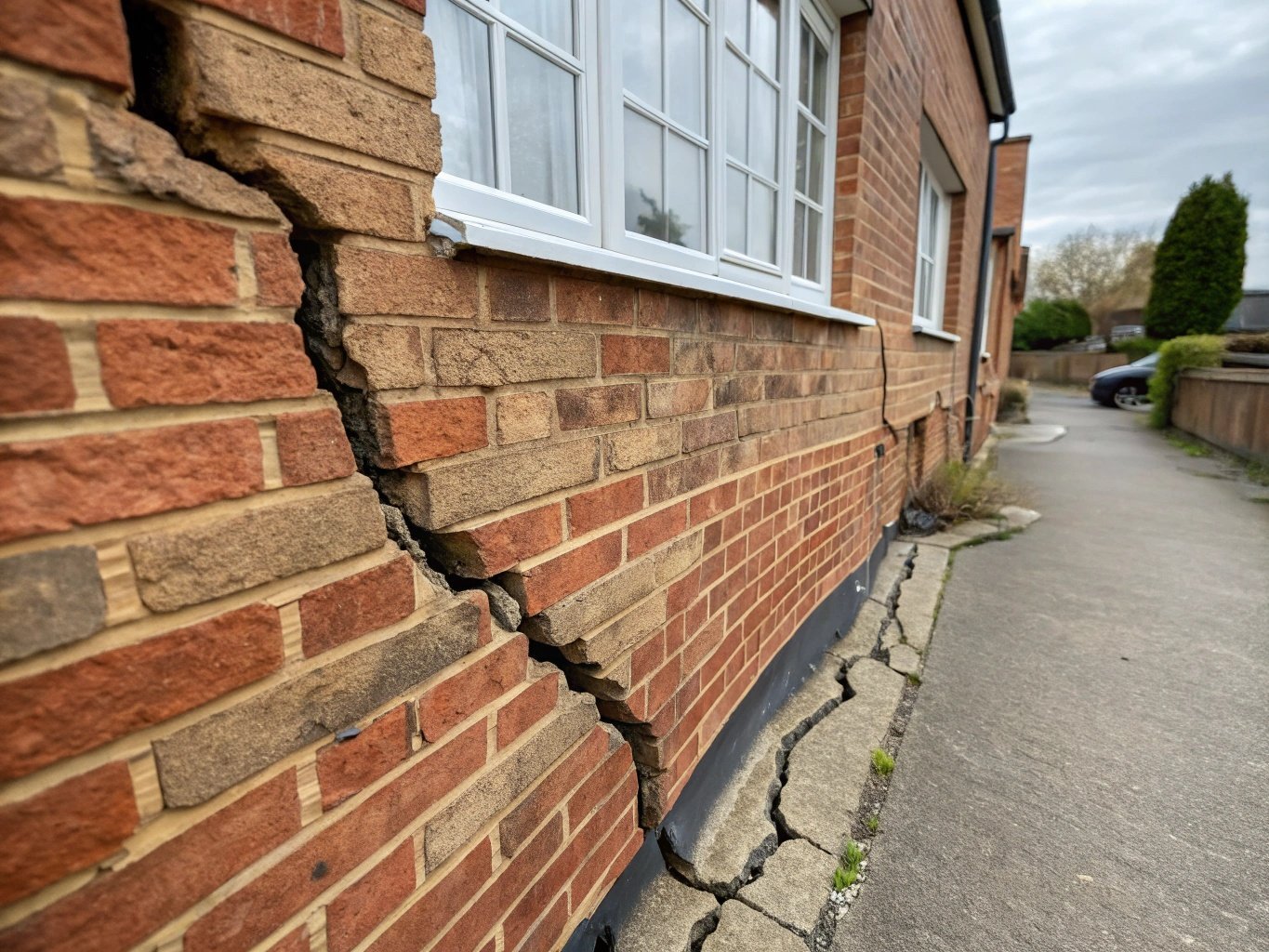
Expert Surveyors UK assesses hundreds of subsidence cases annually. Subsidence is one of property buyers' biggest fears, yet many cracks wrongly get diagnosed as subsidence when they result from other causes. Understanding subsidence helps you identify genuine problems and avoid panic over minor settlement cracks.
In this guide, our RICS chartered surveyors explain what subsidence is, how to identify it, what causes it, and the remedial works required to fix it. We also cover related issues like heave and settlement, helping you distinguish between different types of structural movement.
What is Subsidence?
Subsidence occurs when the ground beneath a building moves downward, causing foundations to sink and resulting in structural damage. This differs from settlement (normal gradual compression of soil under building weight) and heave (ground swelling and pushing foundations upward).
True subsidence is relatively rare and usually affects properties in specific circumstances. Many cracks wrongly attributed to subsidence actually result from thermal movement, settlement, or other benign causes.
Expert Surveyors UK's building pathology expertise helps distinguish genuine subsidence from other forms of structural movement, preventing unnecessary alarm and expensive remedial works.
Common Causes of Subsidence
1. Clay Soil Shrinkage
The most common subsidence cause in the UK. Clay soils shrink during dry weather, particularly extended dry periods, causing foundations to lose support. Properties in the South East, where clay soils predominate, are particularly vulnerable.
Factors affecting clay shrinkage include:
- Prolonged dry weather
- Trees and large shrubs extracting moisture from soil
- Leaking drains reducing soil moisture
- Insufficient foundation depth in clay areas
2. Tree Root Activity
Trees near properties can cause subsidence by extracting moisture from clay soil. High water-demand species pose particular risks:
- Oak trees (water demand: Very High)
- Willows (Very High)
- Poplars (Very High)
- Elm trees (High)
- Ash trees (Moderate-High)
Our building surveyors assess tree locations, species, and sizes when investigating potential subsidence, determining whether trees contribute to foundation movement.
3. Leaking Drains
Defective drains can wash away soil beneath foundations, particularly in sandy or gravelly soils. Long-term leaks create voids under buildings, leading to sudden settlement or gradual subsidence.
4. Mining and Ground Works
Past coal mining, chalk extraction, or other excavations can cause ground instability decades later as old mine workings collapse. Properties in former mining areas remain at risk, though mining records help identify vulnerable locations.
5. Made Ground
Buildings constructed on filled or made-up ground (old rubbish tips, filled quarries, or building rubble) risk subsidence as fill material consolidates over time.
Signs of Subsidence
Subsidence shows distinctive patterns that Expert Surveyors UK's chartered surveyors recognize during building surveys:
Crack Characteristics
- Diagonal cracks: Typically running at 45-degree angles from corners of windows and doors
- Width: Usually wider at top than bottom, wider than 5mm (width of a £1 coin)
- Location: Often appearing on external walls, particularly near windows and doors
- Pattern: May show stepped cracking through mortar joints or clean breaks through bricks
- Progression: New cracks or widening of existing cracks
Other Subsidence Indicators
- Doors and windows sticking or not closing properly
- Gaps appearing around window and door frames
- Cracks between walls and ceilings
- Rippling or sloping floors
- Cracks in paths or paving adjacent to buildings
- Lean or bulge in external walls
Not all these signs indicate subsidence. Our building surveyors investigate thoroughly, determining whether movement is historic, ongoing, or caused by other factors like thermal movement or settlement.
Subsidence vs Settlement vs Heave
Settlement
Normal compression of soil under building weight, typically occurring in the first 10-15 years after construction. Settlement cracks are usually hairline width, stable, and don't progress. Most older properties show historic settlement cracks that don't require remedial works.
Subsidence
Downward foundation movement from external factors like clay shrinkage or tree roots. Subsidence cracks are typically wider, progressive, and require investigation and potential remedial works.
Heave
Upward ground movement from clay expansion, often occurring after tree removal allows clay to rehydrate. Heave causes different crack patterns from subsidence, typically showing wider cracks at the bottom than top.
Expert Surveyors UK's building pathology expertise distinguishes between these movement types, ensuring correct diagnosis and appropriate remedial works recommendations.
Investigating Subsidence
When subsidence is suspected, thorough investigation is essential:
Building Survey
Our RICS chartered surveyors conduct comprehensive inspections, examining:
- All visible cracking internally and externally
- Crack patterns, widths, and characteristics
- Foundation visible in accessible areas
- Trees and vegetation proximity
- Drainage condition
- Ground conditions and soil type
- Evidence of previous movement or repairs
Crack Monitoring
Many building surveyors recommend monitoring cracks over 6-12 months to establish whether movement is ongoing. Crack monitors (tell-tales) indicate movement direction and extent.
Specialist Investigations
For serious cases, specialist investigations may include:
- Trial pits: Excavating to examine foundations and ground conditions
- Soil analysis: Determining soil type and shrinkage potential
- Drain surveys: CCTV inspection identifying leaks
- Structural engineer assessment: Calculating foundation adequacy
Remedial Works for Subsidence
Subsidence remedial works vary depending on cause and severity:
Tree Management
If trees cause subsidence, options include:
- Pruning: Reducing canopy size to decrease water demand
- Pollarding: Severe cutting back, creating long-term management
- Removal: Complete tree removal (risks heave if clay rehydrates)
- Root barriers: Installing barriers preventing root growth toward buildings
Tree removal isn't always the best solution. Our chartered surveyors advise on appropriate tree management balancing subsidence risk with heave prevention.
Underpinning
The most common subsidence remedy, underpinning extends foundations to deeper, more stable ground. Traditional mass concrete underpinning costs £10,000-£50,000+ depending on extent and property size.
Underpinning types include:
- Mass concrete: Traditional method, excavating beneath existing foundations in stages
- Mini-piled: Driving small piles to greater depths, useful where access is restricted
- Resin injection: Modern technique injecting expanding resin to stabilize ground
Drain Repairs
If leaking drains cause subsidence, repairing or replacing defective drainage often solves the problem at much lower cost than underpinning.
Crack Repair
Once movement stabilizes, repairing cracks restores appearance and weather-tightness. Methods include:
- Repointing mortar joints
- Stitching cracks with helical bars
- Replacing damaged bricks
- Replastering internally
Cosmetic repairs should wait until movement stops, otherwise cracks will re-open.
Insurance and Subsidence
Most home insurance policies cover subsidence (check your policy for excess amounts, typically £1,000). However, insurers may:
- Require extensive monitoring before authorizing repairs
- Specify particular remedial works
- Exclude damage from specific trees if you refused tree management
- Increase future premiums after subsidence claims
Expert Surveyors UK provides expert witness services when insurance disputes arise, offering impartial opinions on whether subsidence occurred, likely causes, and appropriate remedial works.
Buying Properties with Subsidence History
Properties with past subsidence don't necessarily pose risks if:
- Appropriate remedial works were completed
- Movement has stopped (monitoring confirms stability)
- Underlying causes were addressed
- Repairs were done professionally with guarantees
Our building surveyors assess previous subsidence repairs, advising whether remedial works were appropriate and whether further issues are likely. Properties with treated subsidence often represent good value if properly repaired.
Preventing Subsidence
While you can't eliminate subsidence risk completely, preventive measures help:
- Maintain adequate distance between large trees and properties
- Manage tree growth through regular pruning
- Ensure drains are maintained and leak-free
- Don't plant high water-demand trees near buildings
- Ensure adequate foundation depth when building on clay
- Monitor any cracks and investigate early if they widen
Regional Variations in Subsidence Risk
Subsidence risk varies across the UK:
- South East England: Highest risk due to clay soils and warm, dry summers
- East of England: Moderate-high risk in clay areas
- South West: Variable risk depending on local geology
- North: Generally lower risk, though mining subsidence affects some areas
- Scotland: Low subsidence risk overall
Expert Surveyors UK operates throughout the UK, understanding regional geology and subsidence patterns that affect properties throughout different areas.
When to Seek Professional Advice
Contact our RICS chartered surveyors if you notice:
- New cracks appearing or existing cracks widening
- Cracks wider than 5mm
- Diagonal cracking near windows or doors
- Doors and windows sticking
- Gaps between walls and ceilings
- You're buying a property with visible cracking
- Previous subsidence repairs and you want independent assessment
Conclusion
Subsidence causes concern for property owners, but accurate diagnosis prevents unnecessary panic and expense. Many cracks result from normal settlement or thermal movement rather than genuine subsidence requiring expensive remedial works.
Expert Surveyors UK's RICS chartered surveyors bring years' experience and building pathology expertise to subsidence investigations. Our building surveys identify whether movement is ongoing, determine causes, and recommend appropriate remedial works that address root problems rather than just treating symptoms.
Whether you're buying a property with visible cracking, experiencing new cracks in your home, or need expert witness evidence for subsidence disputes, our professional assessments provide the clarity and confidence you need.
Concerned About Subsidence?
Expert Surveyors UK provides comprehensive subsidence investigations. Our RICS chartered surveyors identify causes and recommend cost-effective solutions.
Book a Subsidence Survey